
Drywall & Wall Repair in Toronto & the GTA
From a doorknob hole to a whole sheet of water-damaged board, we patch, tape, mud, sand and prime drywall until the repair disappears. Builder-trained crews mean the finish is smooth, the texture matches, and it’s ready to paint.
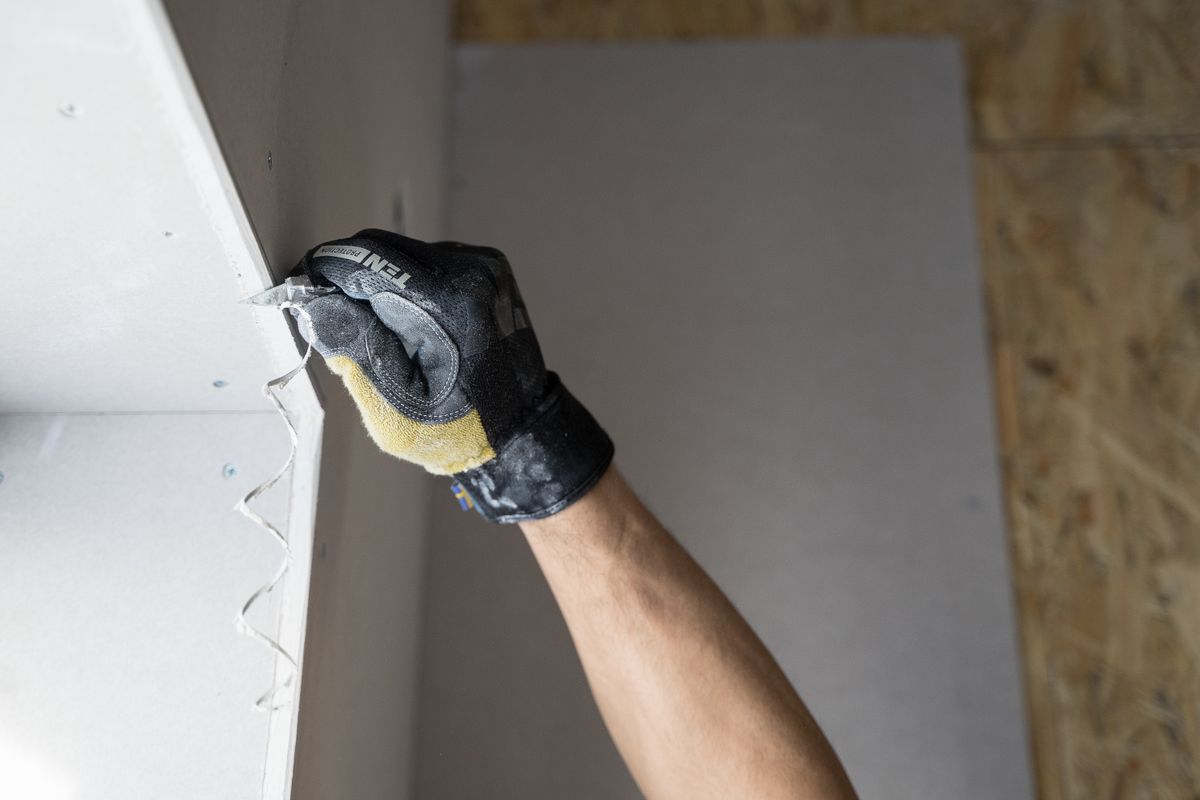
FixitPlus repairs drywall across Toronto and the GTA — doorknob holes, anchor damage, settlement cracks, dents and water-damaged board. A repair is taped, mudded, sanded and primed so it is ready to paint and does not telegraph through the finish. We also repair genuine plaster in older GTA homes.
Damaged walls make an entire room feel neglected, no matter how nice everything else is. A doorknob hole behind a door, a spiderweb of stress cracks over a window, a sagging patch of water-stained ceiling, or the anchor holes left behind when you take down shelving — these are the small imperfections your eye keeps returning to. FixitPlus repairs drywall and plaster so completely that the damage simply disappears. When we’re done, you shouldn’t be able to find where the repair was, even if you go looking.
The difference between an invisible patch and an obvious one comes down to craft: proper backing behind the hole, the right joint compound built up in thin coats, careful feathering so the edges melt into the surrounding wall, and matching the existing texture before priming. Rushed patches shrink, crack, flash under paint, or leave a visible bump. Because our crews come from a custom-home building background, they treat a small patch with the same attention they’d give a whole feature wall — and the finish shows it.
We handle the full range of wall and ceiling damage. Small nail and anchor holes, doorknob and furniture dents, corner-bead damage on outside corners, long settlement cracks, popped nails and screws, water-damaged sections that need cutting out and replacing, and full sheet replacement after a leak or renovation. We also repair and re-skim plaster in older Toronto homes, blend new drywall into existing plaster, and re-texture ceilings — including careful patching of older stippled and knockdown finishes.
Every repair is left ready for the next step. That usually means sanded smooth and primed so you can paint, but we can also carry the job right through to a finished, painted wall that matches the rest of the room. Whichever you choose, we contain the dust as we work, protect your floors and furniture, and leave the space clean — because a great patch buried under a layer of drywall dust everywhere else isn’t the finished job you were hoping for.
What a drywall & wall repair visit covers
A drywall repair visit covers everything needed to take the wall from damaged to paint-ready — or fully finished:
Why most drywall repairs become visible again — and how we stop that
A drywall repair either disappears or it does not, and the difference is almost never the filler. It is what the repair is fastened to, how wide the compound is feathered, and whether the cause of the damage was dealt with before the hole was closed.
Small holes need backing, not just filler
Anything larger than a screw hole needs something solid behind it. Filling a doorknob hole with compound alone produces a plug that shrinks, cracks around the edge and eventually pushes out. We back the opening, patch it, and tape the joint so the repair is mechanically part of the wall.
Feathering is where the repair hides
The reason a patch shows under a raking light is a compound edge that stops too abruptly. A patch the size of your palm should be feathered out considerably wider than that, in multiple thin coats rather than one thick one, each sanded before the next. It is slower, and it is the whole job.
Cracks are a movement problem before they are a filler problem
Hairline cracks running diagonally from door and window corners are usually normal settlement in homes under about ten years old, and taping them properly holds. Cracks that are stepped, widening, running through more than one storey, or reopening in the same place after a proper repair are telling you something else, and we will say so rather than sell you the same patch twice.
Water damage: cause first, board second
Stained or soft board means water got in from somewhere. We will not close a wall over an unresolved source. We find where it came from, tell you what it needs — which is sometimes a licensed plumber or a roofer rather than us — then cut back to sound board, replace, tape and prime.
Plaster is a different material with a different repair
Older homes across Toronto, Woodbridge, Unionville and the Mill Pond area of Richmond Hill have plaster over wood lath. Skimming drywall compound over failing plaster gives you a repair that cracks along the same line within a year. Plaster wants re-keying to the lath and patching as plaster, and that is how we do it.
Signs it is time to call about drywall & wall repair
It’s time to call when you notice any of these:
Cracks that keep coming back
Recurring cracks over doors and windows often need proper taping and backing, not just another skim of filler.
Water stains or soft spots
Once the leak is fixed, damaged board should be cut out and replaced — painting over it only hides a growing problem.
Holes from shelves or a move
Anchor holes and doorknob dents are quick for us to make invisible and well worth doing before you repaint or sell.
A bumpy or peeling old patch
A failed DIY patch can be cut back and redone properly so it finally blends in for good.
What makes a patch reappear
- 1Filler alone in a hole big enough to need backing — it shrinks, cracks at the perimeter and eventually pops.
- 2One thick coat instead of three thin ones, so the compound shrinks unevenly and the patch reads as a bump.
- 3A hard compound edge that was never feathered, which shows the moment sunlight rakes across the wall.
- 4Priming skipped, so the patch drinks the topcoat and flashes a different sheen from the rest of the wall.
- 5Texture not matched on a stipple or knockdown ceiling, leaving a smooth island in a textured field.
How we handle drywall & wall repair
Our repair process is built to make the fix disappear:
Assess and protect
We check the cause (especially with water damage), then mask off and cover floors and furniture to keep dust contained.
Prep the damage
We square up holes, add backing where needed, and cut out any compromised board so the repair has something solid behind it.
Fill, tape and build up
We apply joint compound in thin coats, tape cracks and seams, and feather each layer well beyond the damage.
Sand, texture and prime
We sand smooth, match the surrounding texture, and prime — leaving it paint-ready or painting it to match on request.
Drywall & Wall Repair in Toronto, York Region, Peel & Durham
Housing stock decides the method. Newer subdivision homes in Vaughan, Markham and Richmond Hill give us settlement cracking at door and window corners — real, normal, and permanently fixable with proper taping. Older Toronto, Woodbridge and Unionville homes give us plaster and lath, which is repaired as plaster rather than skimmed with drywall compound. Condos give us metal-stud framing and often a builder texture that has to be matched.
Not listed? We cover the whole Greater Toronto Area.
Builder brains on every job
Invisible repairs
Proper backing, thin coats and careful feathering mean the patch blends in completely — no bumps, no flashing.
Texture matching
We match stipple, knockdown and skim-coat finishes so a ceiling or wall patch doesn’t stand out.
Plaster experience
Older Toronto homes with lath and plaster need a different touch — one our builders know well.
Dust under control
We contain the mess and clean thoroughly, so the only thing you notice is that the damage is gone.
Drywall & Wall Repair pricing — honest and flat-rate
Small patches are quoted at a simple flat rate; larger jobs are priced by scope. The main factors:
What affects the price
How handyman quoting works in general — hourly, flat rate and day blocks compared: How much does a handyman cost in Toronto?
Making a drywall repair in Toronto last: what to do after we leave
A properly backed, taped and primed patch is permanent. When a homeowner calls a drywall contractor back to the same wall, it’s usually because the cause came back — the same doorknob, the same chair, the same dry winter. A few habits after the visit keep the repair invisible.
If we’ve left the wall primed and paint-ready, let it dry fully, then paint to a natural break such as an inside corner rather than just the square around the patch. Paint applied only over the repair tends to show as an outline in low afternoon light.
Stop the door that made the hole
A doorknob hole comes back unless the door is stopped. A hinge-pin or baseboard door stop takes minutes to fit — add it to the visit and we’ll install it with the repair. Clear bumpers on dining chairs do the same job for chair-back scuffs.
Keep winter humidity steady
The GTA heating season dries a house out, framing shrinks slightly, and hairline cracks can open at corners and seams — most often in a newer home’s first few winters. A furnace humidifier that’s maintained and set to avoid both bone-dry air and fogged windows keeps that movement small.
Re-hang shelves and art properly
Don’t drive a screw back into old anchor holes beside a fresh patch. Find a stud or use an anchor rated for the load, a few inches clear of the repair. Heavy mirrors and floating shelves can go up on the same visit.
Watch a water repair for a season
When we patch drywall damaged by a leak, check the area after heavy rain or the spring thaw. A stain that comes back means water is getting in again: call the plumber or roofer first, then us.
Label the leftover paint
Write the room, colour name and sheen on the lid. The next touch-up becomes a ten-minute job instead of a colour-matching exercise.
Planning your drywall & wall repair job
Written by Alan from work we do every week in GTA homes and condos:
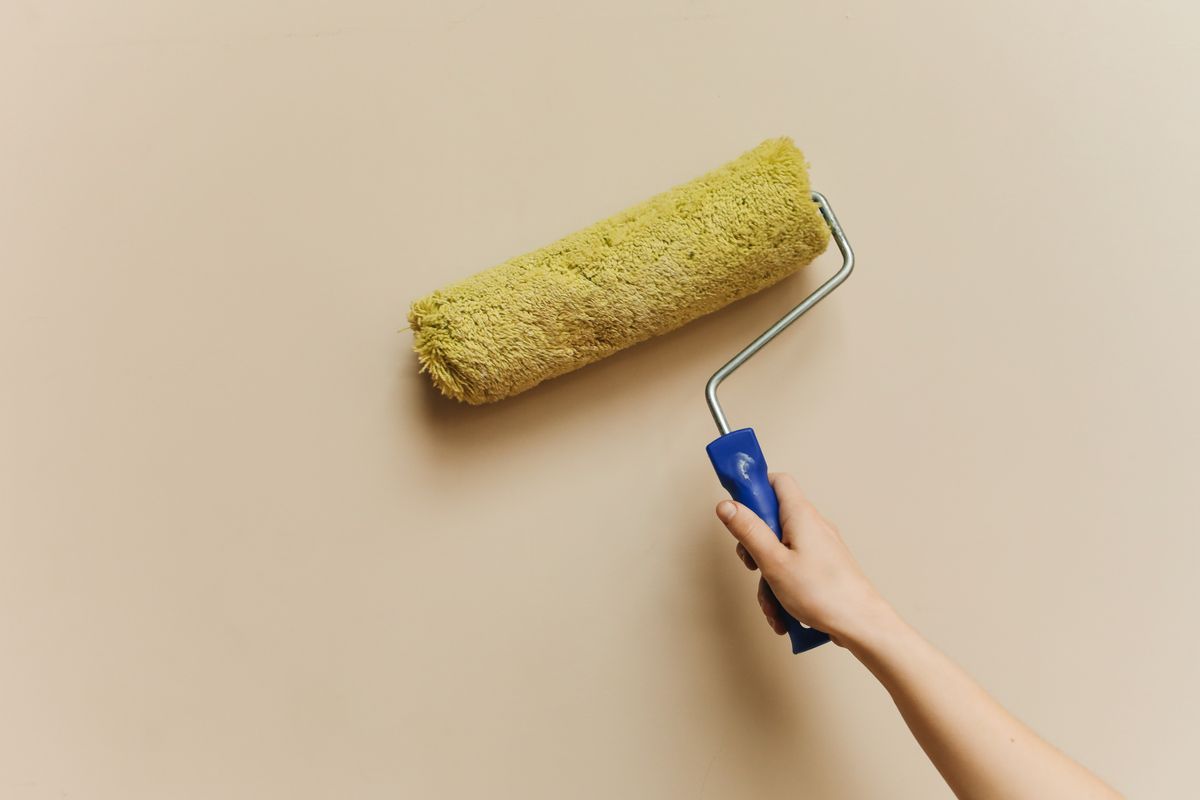
Drywall & Wall Repair — common questions
That’s the goal on every job, and with proper technique and texture matching it’s almost always achievable. The one honest exception is a wall with an unusual sheen or a texture we need to feather into — we’ll tell you up front if a full-wall skim or repaint is the better result.
We can. Many clients have us prime and leave the wall paint-ready, but we’re happy to carry the job through to a finished, colour-matched paint job so you don’t have to lift a brush.
Yes — once the source of the water is fixed. We cut out the damaged board, confirm the area is dry, replace it, and blend the repair into the surrounding wall or ceiling.
We do. Older GTA homes often have lath-and-plaster walls, and we repair, re-skim and blend new work into plaster so it matches the original surface.
We quote drywall repair flat-rate, before starting, based on how many patches there are, their size, whether the wall is drywall or plaster, whether texture needs matching, and whether you want the area primed and painted. Several patches in one visit cost far less per patch than separate call-outs. Send photos and we will price it, usually within a business day.
We always prime the repair so it is ready for paint and does not flash. Painting the wall, the area or the whole room can be added to the same visit — say so when you ask for the quote and we will include it, which is considerably cheaper than booking it as a second visit.
Usually not. Fine diagonal cracks from the top corners of door and window openings are typical settlement in homes under about ten years old, and a properly taped repair holds. What does warrant a closer look is a crack that is stepped, widening over time, visible on more than one storey, or reopening in the same line after a correct repair. We will tell you which one you have, honestly, before quoting.
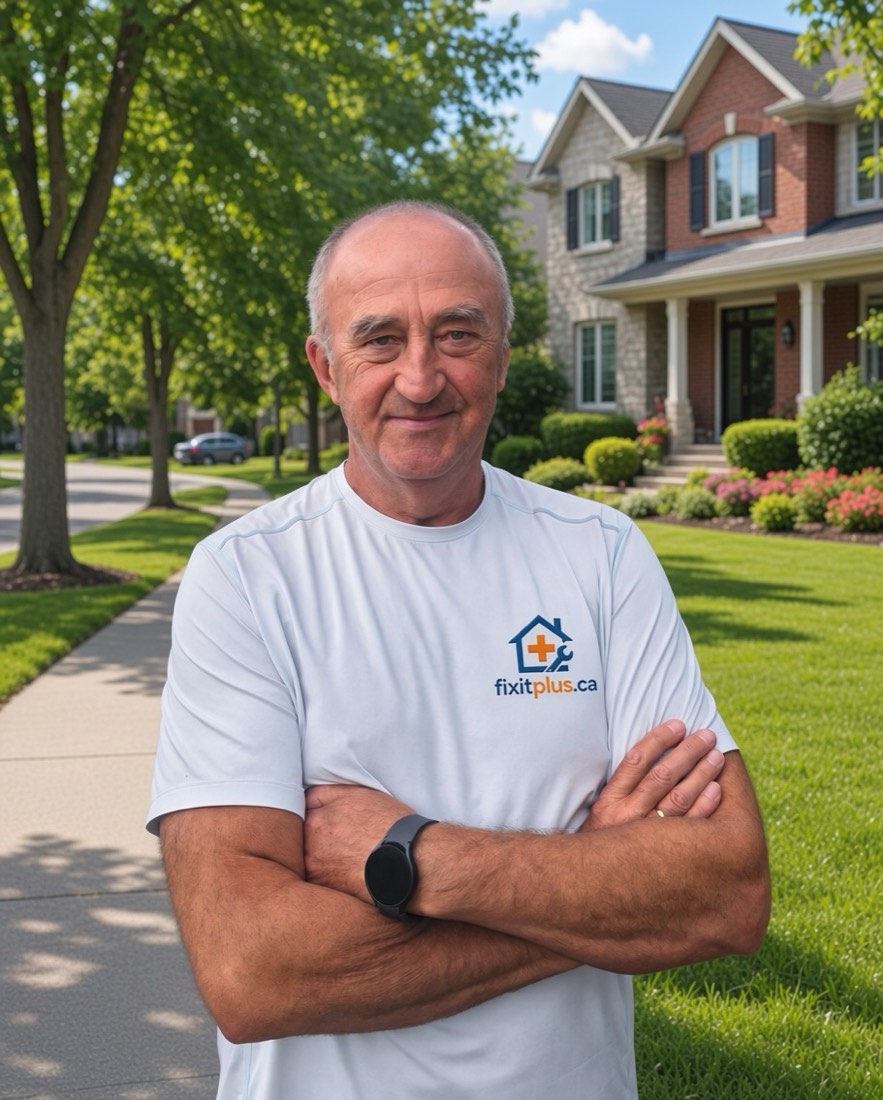
Alan
Project Manager, FixitPlus Inc.
Scope and technical detail on this page is set by Alan, FixitPlus project manager, drawing on 20+ years of custom-home building in the GTA. Where a job legally requires a licensed trade or a permit, we say so on the page rather than in the small print.
- 20+ years of custom-home building across the GTA
- Project manager on new builds, additions and whole-home renovations
- Single point of contact on every FixitPlus job
Last reviewed
Related handyman services
All servicesReady to cross it off the list?
Send us a few details for a free, no-obligation quote — or call and we’ll talk it through. One trusted crew for repairs and renovations across the GTA.